PROBLEM

Many municipal water suppliers have changed from free chlorine to chloramine disinfection in order to reduce the formation of trihalomethanes (TTHMs) and Haloacetic acids (HAA5s), as well as maintain a sufficient disinfectant residual throughout the distribution system. However, chloramine systems can promote the growth of nitrifying biofilms, and tanks with poor water turnover are especially susceptible to nitrification. Regular free chlorine burnouts are effective at killing most of the nitrifying bacteria but do not physically remove the slime and scale from the tank surfaces. Thus, nitrifying biofilms regrow rapidly. Burnout chlorination can also lead to temporary accumulation of high TTHM and HAA5 levels.

SOLUTION

In 2007 Blue Earth Labs Top Ultra tank cleaning chemistry was used by a Missouri water system that was experiencing nitrification problems in a particular tank. The reservoir is a 500,000-gallon, glass lined tank with a history of significant nitrification. The tank was taken off-line for nine days to determine baseline levels for nitrite, nitrate, and total chlorine. The tank was emptied, cleaned with Top Ultra, filled with water and taken off-line to determine post cleaning nitrification levels.

Prior to Top Ultra cleaning, nitrite levels in the tank increased significantly after only five days offline (from 0.016 mg/L on day 2 to 0.109 mg/L on day 10). On day 10 the off-line period was terminated since the nitrite levels were approaching the maximum allowable levels. After the cleaning process, the nitrite levels remained relatively low throughout an 11-day period, increasing to 0.34 mg/L on day 11.

Only minor changes in nitrate levels were observed during both off-line periods. However, the average nitrate concentration in the tank was 1.8 mg/L before cleaning and 1.18 mg/L after cleaning. This reduction was consistent throughout the off-line periods.

Nitrification is often accompanied by a decline in total chlorine residual, due to biofilm growth. Prior to cleaning, the residual dropped by 0.7 mg/L over 9 days; after the cleaning, the reduction was only 0.2 mg/L over 11 days.

RESULTS

Overall, chemical tank cleaning with Top Ultra was very effective at removing the visible deposits from the interior tank surfaces, and the procedure resulted in significant reduction of nitrification and chlorine demand.

PROBLEM

The town of Dustin, Oklahoma provides water to approximately 500 customers and produces 45,000 gallons per day (gpd) of treated surface water. Water is stored in a 60,000-gallon clearwell at the plant and a 50,000-gallon elevated tank near the town center. In 2001, chlorine loss in the distribution system triggered repeated boil-water orders. Washing out the clearwell and a regular flushing program improved the situation somewhat, but boil-water orders continued. The Oklahoma Rural Water Association suggested the use of Blue Earth Labs’ Top Ultra product for chemical tank cleaning to stabilize the chlorine residuals.

SOLUTION

In late November of 2001, the elevated tank was flushed conventionally with pressurized water. In December 2001, the package treatment unit and clearwell were chemically cleaned using Top Ultra, and tank cleaning was completed in one day.

The flushing of the elevated tank resulted in the removal of approximately 18” of sludge. However, Top Ultra’s chemical tank cleaning improved the free chlorine residual in the nearby city hall only slightly (0.54 to 0.62 ppm).

The Top Ultra surface cleaning procedure was effective in removing heavy surface deposits from the clearwell and package treatment unit. Additionally the chemical cleaning resulted in significant improvement of chlorine residuals within the distribution system.

Additionally the chlorine demand of the clearwell was directly determined by measuring the chlorine residual before and after an overnight, off-line period. A control water sample was kept in a clean laboratory glass beaker. The decline in the control sample represented the demand of the bulk water and the gassing off of the chlorine.

RESULTS

Overall, the severe chlorine demand of the clearwell (94%) was the main cause of poor chlorine residuals in the distribution system. After the Top Ultra chemical tank cleaning, dramatic, system-wide improvement occurred, eliminating boil orders and allowing the customer to reduce their total chlorination from ≥4.0 ppm to ≤2.2 ppm.

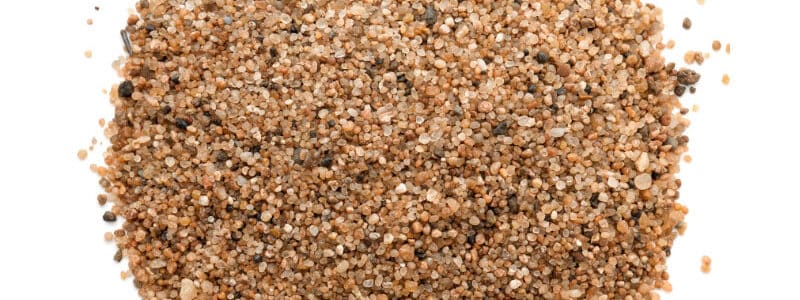
Inefficient filters consume energy, chemicals, and precious water to back wash. Dirty filters prevent proper TOC removal and lead to distribution problems. Eventually, back pressure risks damaging underdrains, usually when you can least afford to take a filter out of service.

Replacing media, that has a known useful life of over 40 years, can run $50 per cubic foot and involves many moving prices such as capital expense approvals, bid and contractor management, and lost production.

Did you know you can clean your filters in place in less than 24 hours, restoring up to full original operating specifications?  Blue Earth Products® provides, as part of its ANSI/NSF 60 water infrastructure chemical cleaning platform, a simple, cost-effective approach to cleaning filter media in place before they cause issues.

To investigate if your filters can be simply and cost-effectively cleaned in place, download our 50% off coupon and receive your free media analysis kit (must register here in advance), a $275 savings off our regular price of $550. The in depth analysis includes full cleaning analysis, analysis of the constituents on your filter that impede performance, and recommendations for remediation. Knowledge is power – and can save precious operating budget. In addition to the savings, you will discover how Blue Earth Products can help you:

  • Increase disinfectant effectiveness
  • Reduce disinfection by-products
  • Improve system performance
  • Extend infrastructure life
  • Achieve regulatory compliance

Water is a necessity for all living creatures. Fortunately, most people in the developed world are able to access water directly from the inside of virtually any building. Before entering buildings, water is treated to ensure quality and remove waterborne pathogens. However, in some cases, the conditions within building water systems can allow pathogens to grow in water and cause illness among users.

More About Waterborne Pathogens

Several different pathogens have been found to proliferate in water supplies. Some of these organisms include:

  • Legionella pneumophila
  • Pseudomonas aeruginosa
  • Acinetobacter baumannii
  • Cladosporium
  • Aspergillus
  • Mycobacterium mucogenicum
  • Stenotrophomonas maltophilia


These organisms can cause a variety of illnesses, ranging from mild skin infections to fatal cases of Legionnaires’ disease. Depending on the organism, it may cause infection when consumed and/or inhaled by susceptible individuals. To prevent illness, these organisms must be eliminated from water supplies.

Reducing the Risk

Waterborne pathogens are a threat to all types of water supplies, from those serving residential buildings to the water pumped into hospitals and other healthcare facilities. Regardless of the type of facility you manage, you should take steps to reduce the risk of waterborne illness. Some of the strategies you may employ to reduce this risk are detailed below.

1. Treat water with disinfectant.

Standard water treatment protocols are designed to remove microbial contaminants, including those that cause infection in humans. However, once the water enters the distribution system, it is at risk for contamination once again. Treating water inside the water distribution system with EPA-approved disinfectants will prevent pathogens from proliferating and causing infection. Although disinfectants can be useful for eliminating pathogens from water, keep in mind that they can also react with organic and inorganic compounds found in the water to produce by-products. Because some disinfectant by-products can be harmful to humans, they are regulated by the EPA. Concentrations of certain by-products must be kept below specific levels in order to comply with EPA safety guidelines.

2. Perform recommended maintenance.

When equipment is functioning optimally, the risk of waterborne illness decreases. In order to prevent the proliferation of pathogens, clean all components of your water distribution system on a regular basis. Remember to clean all pipes and tanks, as well as the filtration system. Multiple methods of cleaning are available. These methods vary considerably with regard to price and effectiveness. In general, chemical cleaning methods tend to be more expensive than other available methods, but they are also much more effective.

3. Prevent stagnation.

Stagnant water provides an ideal environment for bacterial growth. Prevent water stagnation as much as possible throughout your water distribution system.

4. Address the issue of biofilms.

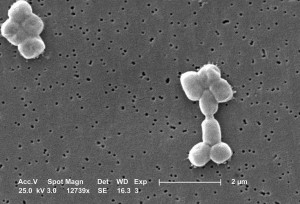
A biofilm is an accumulation of microorganisms that adheres to surfaces. Biofilms may contain yeast, protozoa, algae and disease-causing bacteria. They are often present in water distribution equipment and may be as much as 4 centimeters thick. When biofilms form, they are often difficult to remove. However, they can be removed from most water distribution system surfaces through the use of specialized chemicals. If you suspect that biofilms have formed within your system, or if they are noticed during inspection, they should be eliminated immediately.

5. Install point-of-use water filters.

In addition to keeping your system clean and treating water appropriately, you can further reduce the risk of waterborne pathogens coming into contact with system users by installing point-of-use water filters in key locations, such as within shower heads and taps. These filters will catch pathogens that may have survived treatment or contaminated the water after it entered your distribution system.

6. Monitor water quality.

One of the most important steps you can take to ensure that your water supply is always safe for users is to monitor the quality of the water continuously. As you evaluate the water, remember to consider all important characteristics and levels including:

  • Presence of waterborne pathogens
  • Disinfectant residuals
  • Water temperatures
  • Chlorine levels
  • Presence of harmful chemicals
  • pH
  • Turbidity
  • Appearance
  • Odor

When problems are detected during evaluation, identify and resolve the underlying issue as soon as possible.
Sources:
Photo credit: Foter / GNU Free Documentation License
Photo credit: www_ukberri_net / Foter / CC BY
http://www.infectioncontroltoday.com/articles/2014/09/managing-the-risk-of-waterborne-hais.aspx

Water utilities fight a battle to keep your water safe. Water safety has been credited for adding 25 years to the average life expectancy in the USA over the last 100 years. Medical advances have only added 5 years. Part of that safety is simply the disinfection of water being delivered to consumers, one that has become so commonplace we do not think about what could happen or might have happened had the utilities not been vigilant. Filters, disinfectants, flushing programs, deposit control in pipes, are all part of that effort. However, utilities are tasked to remain vigilant in their treatment because unknown and uncontrollable events can great change that, often with little warning.

Assuming water coming into your home or facility has enough residual disinfectant to adequately protect you when it arrives is not a guarantee. Water systems degrade and operational changes get made. Water sources that have been stable for decades can change with a single storm, a drought or the degradation of the pipes, such as a water main break. The world of water has simply changed and as our buried water systems age, and we as a nation age, assuming that all is well can be devastating. Consequently, when water isn’t predictably safe because of these unknown factors, or when the equipment that comes into contact with water it isn’t properly sanitized, the water delivered may contain dangerous pathogenic bacteria capable of causing illness. Some of these are water-based, existing only in water; others can be contacted in other ways, but are also water-borne, capable of being spread through the public water supplies. One water-based bacteria, legionella pneumophila, alone kills more people in the US every year than all food borne illness together.
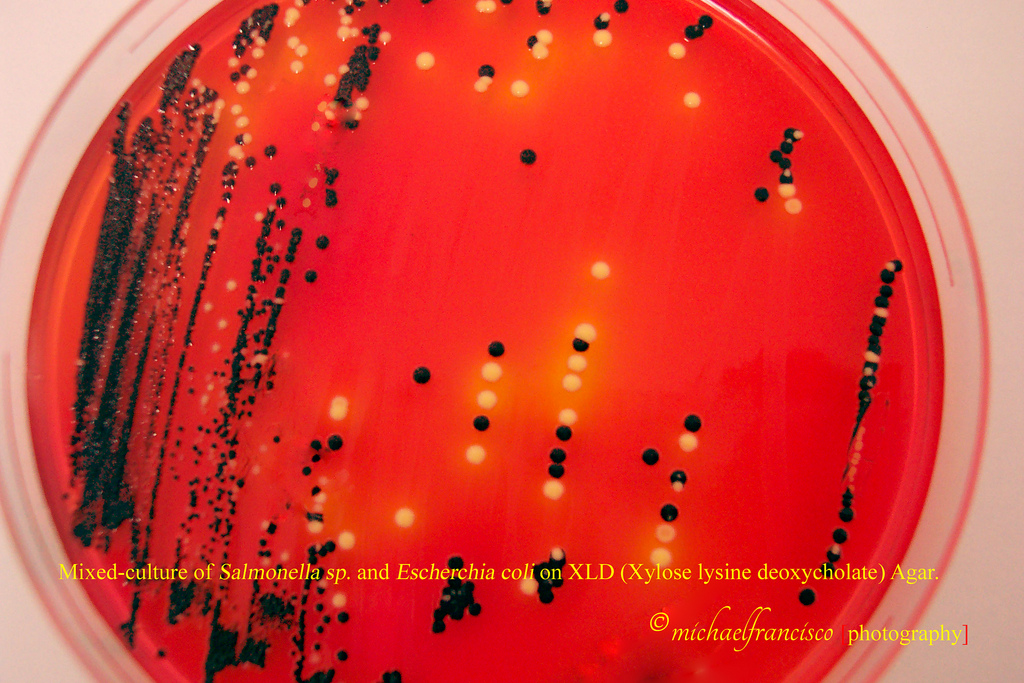
Among the best known “bad actors”, those that make the headlines because outbreaks can affect entire communities, are , Campylobacter jejuni, Cryptosporidium, E. coli, Giardia, Hepatitis A, Legionella pneumophila, and Salmonella, Below is an overview of each of these and the effect on you as a consumer:

Campylobacter Jejuni

Infection with Campylobacter jejuni causes an infection known as campylobacteriosis. Symptoms of this illness include cramps, diarrhea, fever and pain. These bacteria may be present in water, as well as in unpasteurized milk or chicken. Symptoms of infection appear two to 10 days after exposure.

Escherichia Coli
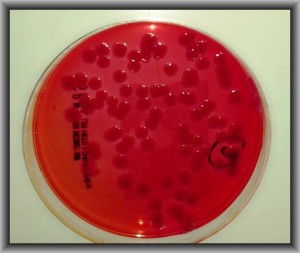
Camera 360

Infections with E. coli bacteria cause fever, vomiting, nausea, abdominal pain and diarrhea. If a person drinks water contaminated with E. coli, symptoms will typically appear within one to eight days.

Giardia Lamblia

This parasite causes giardiasis, an infection that presents with intestinal symptoms such as nausea, cramps, gas and diarrhea. Giardia lamblia is most commonly found in recreational water. The incubation period for giardiasis is approximately one to two weeks.

Hepatitis A

The Hepatitis A virus causes a serious infection that leads to jaundice, dark urine, nausea, stomach pain, fatigue and fever. This illness has a relatively long incubation period, with symptoms appearing 28 days after exposure. Hepatitis A may be present in water, as well as certain foods.

Legionella Pneumophila

Legionella pneumophila is a type of bacteria that causes a serious infection known as legionellosis, or Legionnaires’ disease. According to the National Institutes of Health, this disease is contracted when a susceptible person inhales mist that contains the bacteria. Common sources of infection include showers, hot tubs and air conditioning units. Symptoms of legionellosis include high fever, shortness of breath, muscle aches and cough. Legionellosis often requires hospitalization and my result in death.

Salmonella

Salmonella is a well-known bacterium that causes chills, diarrhea, fever, headache, nausea and pain. Symptoms appear one to three days after exposure to contaminated food or water.

Managing Waterborne Pathogens

Because all of the pathogens that can come through public water supplies, often in small amounts that can grow into large coloines when in the right conditions, all water must be effectively treated in order to remove them. In addition to treating the water itself, managers of water supplies must also keep their infrastructure clean and free of biofilms, groupings of microorganisms that have adhered to one another and/or a surface. These biofilms grow on any surface that water touches and harbor any and all microbes that that become part of the community. Biofilms, as a microbial community, work together to protect themselves from disinfection, so any presence of biofilm presents a danger. Furthermore, according to the World Health Organization, the minimum standards used to treat and distribute drinking water to the general public are not strict enough for the treatment and management of water utilized in healthcare settings. Patients exposed to water in healthcare settings often have compromised immune systems, which means that they may contract illnesses from pathogens that are unlikely to infect healthier people. Thus, you need to confirm that your facility personnel has a treatment plan to ensure that all pathogens are eliminated from your facility’s water distribution system. View Download

Photo credit: MichaelFrancisco / Foter / CC BY
Photo credit: Iqbal Osman1 / Foter / CC BY
What is a biofilm and why is it difficult to remove from your pipes?

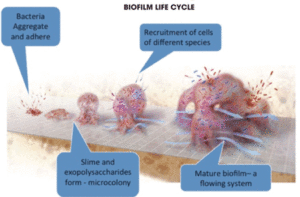
Bacterial microbes exist in every water system in the world. They are perfectly adapted to the environmental conditions, making the disinfection process a difficult task. As microbes grow, they attach themselves to wetted surfaces in the water distribution system. They protect themselves from disinfecting agents by forming biofilms. A biofilm contains a group of bacteria enveloped within a polymeric slime that ensures adhesion to the pipe surface. Thus, they are several hundred times more resistant to the action of various disinfectants and antibiotics than the same microorganisms grown in suspension.
Within the biofilm, the group of bacteria act as a temporary multicellular organism, capable of adapting itself to the environmental conditions and available nutrients.

How and where do the biofilms exist?

Biofilms occur within pipes, tanks, industrial cooling towers, heat exchangers, hospital plumbing system, filter media, etc. Because of biofilms’ complex architecture, stabilized by its attached mechanisms and ability to adapt to the environmental conditions, they are very difficult to remove. Its cells are specialized to perform different roles, similar to the cells within a multicellular organism, enhancing the survival of the entire group under adverse conditions and increasing chlorine demand.
These resistant groups of microorganisms are an important source of contamination for the water and, subsequently, for the final product, which can lead to the alteration of the product, food poisoning outbreaks or other negative effects on the customers. After all, pathogens, which can cause human disease, can survive within a biofilm.

How does a Clearitas® program remove biofilms?

Blue Earth Products® has created a unique solution, Clearitas, specifically engineered to remove organic materials and deposits in any water pipe under normal and regular operation. By breaking down the organic materials that protect biofilm and bind deposits together, Clearitas disrupts the fouling that affect the quality of your water and harbour water-based and water-borne pathogens and viruses in addition to non-pathogenic bacteria that cause corrosion and taste and odor issues. By removing these deposits, Clearitas makes your primary disinfectant, usually chlorine or chloramine, more effective while lowering the dose of the primary disinfectant required to maintain a safe residual.
Clearitas, a bulk, NSF 60 (certified safe for all potable water) product restores the health of your water distribution simply, and constantly without involving complex maintenance operations. Our product is applied with chlorine tolerant pumps and flow paced meter and cleans thoroughly removing all the contaminants that have accumulated in the pipes over time without negatively affecting water quality. Clearitas is environmental friendly and safe for all drinking water.
A solution for the highly resistant and difficult to remove biofilms, which is also easy to apply and safe for the employees and for the entire process, this Clearitas program is the perfect choice for distribution system cleaning. Furthermore, Clearitas ensures a time saving, convenient, and efficient cleaning process that restores your pipes and improves your operational efficiency.
References Link to Google ebook
<br< Fraise, A.P., Lambert, P.A., and Maillard, J.-Y. (2004). Russell, Hugo & Ayliffe’s Principles and Practice of Disinfection, Preservation & Sterilization, 4th edition. Blackwell Publishing Ltd Mp
Photo credit: paulschulze.photo / Photo / CC BY
DOWNLOAD GETTING TO KNOW CLEARITAS

This is a great depiction of biofilm and it’s lifecycle in water.  Biofilm is not just a problem in pipes and distribution systems.  It rapidly colonizes the humongous surface area found in water filter media as well.  Our simple to apply formula, neXt™, assists in removing this biofilm that builds up in filters.  Be sure to read more about our product and how it can improve your water quality.

Photo credit: Biolennia Laboratories (Toronto, ONT Canada)

DOWNLOAD TWO STEP CLEANING

Our new sampling kits are sent direct to your system for on site sampling and fast turn around of your media analysis. Let us show you how fast we can get your results! Contact us to learn more.

DOWNLOAD TWO STEP CLEANING