Enjoy this recent in-the-tank video of a tank cleaning job. Dramatic results.
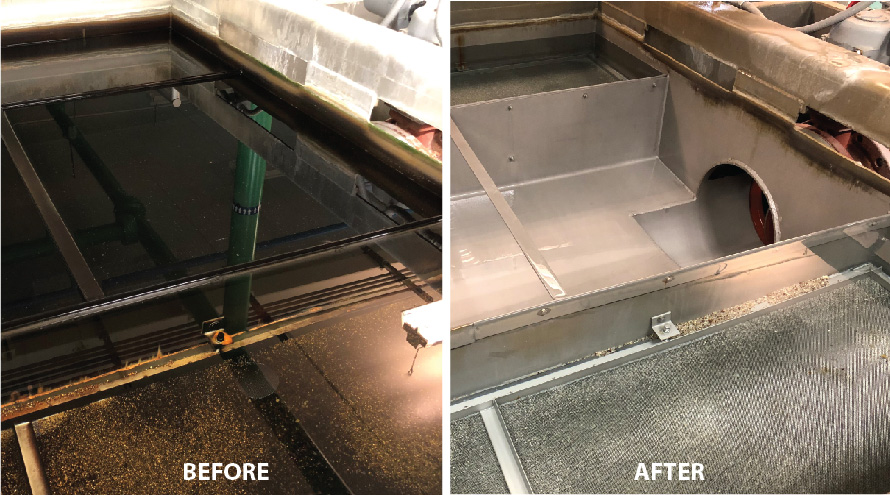
This clarifier is now just like new, a dramatic improvement from where it was before using Filter Fit.
Enjoy this recent in-the-tank video of a tank cleaning job. Dramatic results.
This clarifier is now just like new, a dramatic improvement from where it was before using Filter Fit.
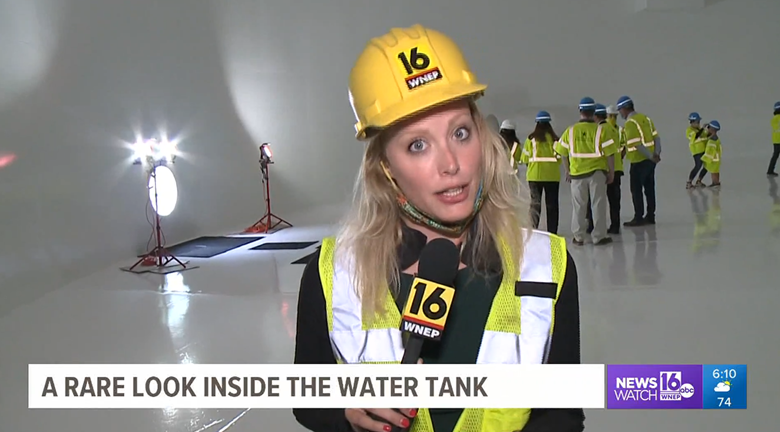
The above image is from inside a 900,000 gallon water tank that was recently refurbished including a new epoxy inner coating. It is beautiful and bright white. The cost of the job was $500,000. See this link for more info. Unfortunately, in just a few months, this tank and many others like it across the country will begin to accumulate biofilm and deposits on its surface that will degrade the quality of the water it holds.
Blue Earth Products has solved this problem by offering periodic chemical cleanings for all these tanks. Completely refurbishing a tank is expensive, however, protecting your investment and the quality of the water it holds by periodically cleaning the tank with Blue Earth Products’ Floran suite of easy to apply and fast acting chemical cleaning products is easy and at a tiny fraction of the cost of a new epoxy coating.
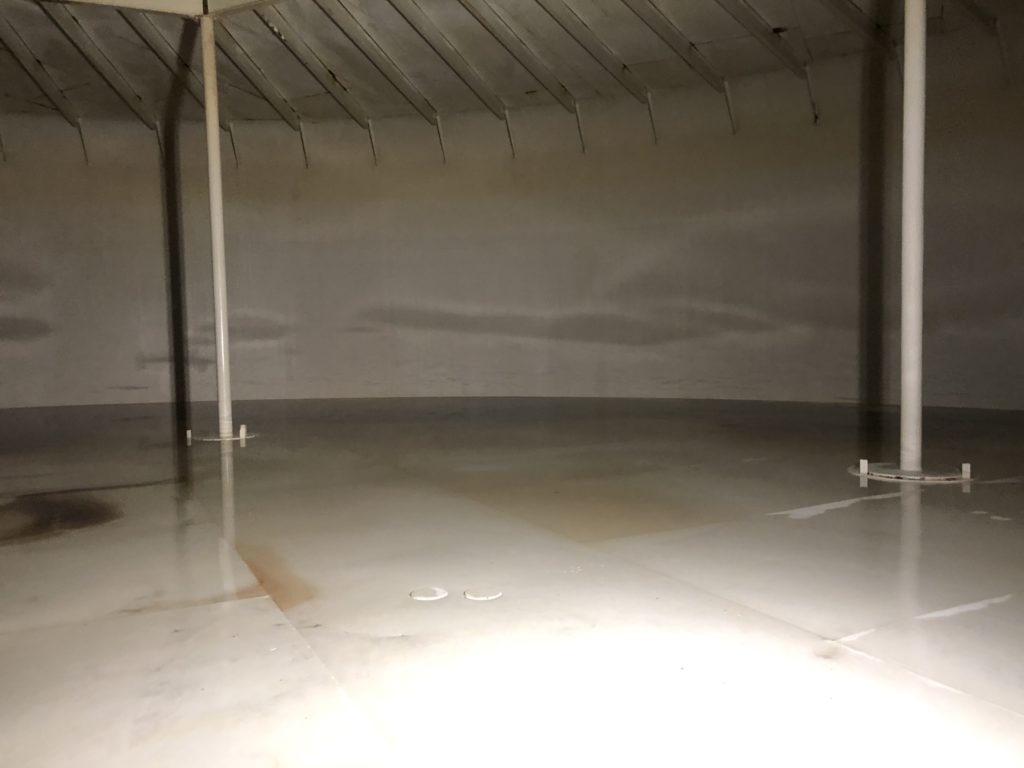
The upper half of the first image below shows the nasty black film that develops on tank walls. The bottom half shows how effectively Floran Top Ultra w/ Catalyst works to remove that film with a simple single spray application. The second image shows the completed tank cleaning and a return to the beautiful bright white of a new coating.

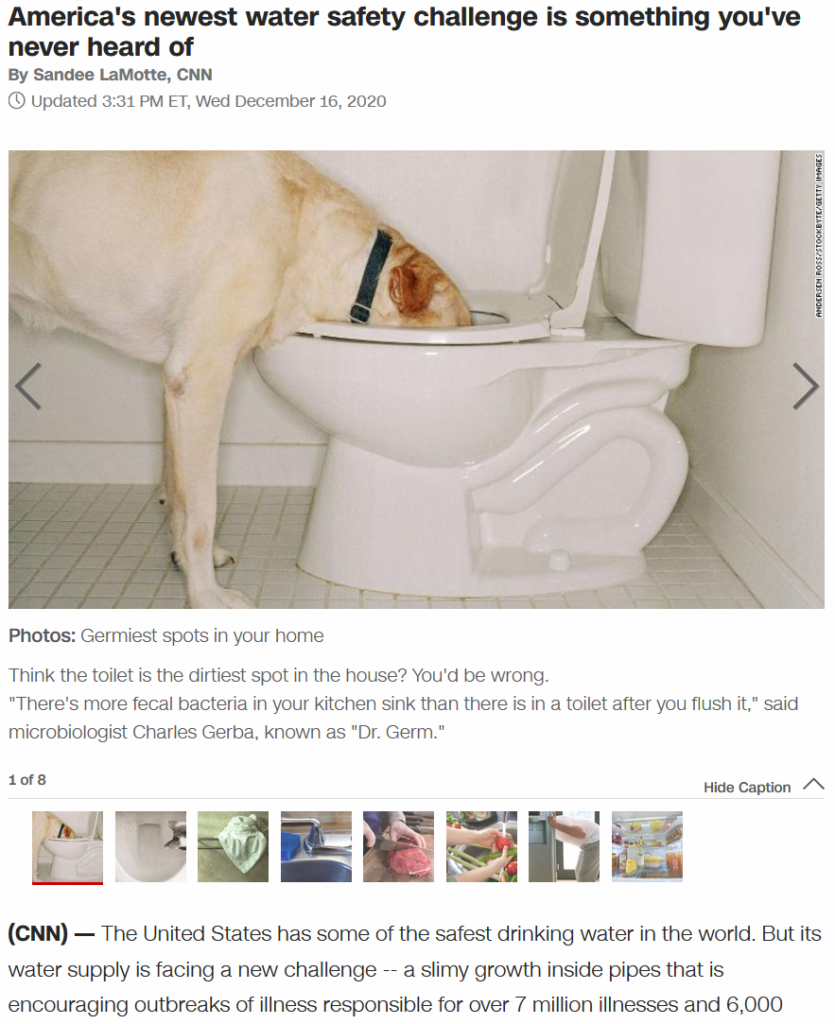
A recent article from CNN highlights the ubiquitous and dangerous nature of biofilm in our everyday life. It is a hidden trap of pathogens that is difficult to remove and only gets worse over time. If you are experiencing biofilm related problems speak to one of our representatives for guidance in finding effective solutions. (click to read full article)
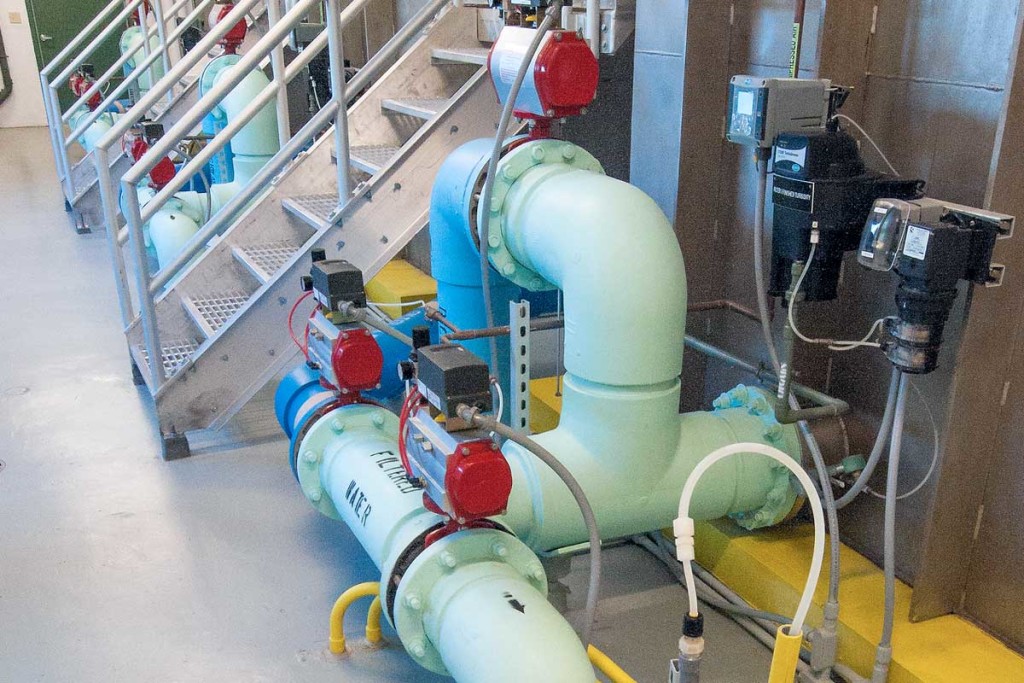
The ASHRAE Standard 188-2018 was created to reduce the occurrence of legionellosis in human-occupied, building water systems, this new standard addresses the design, construction, installation, commissioning, operation, maintenance and service of centralized building water systems and components to manage the risk of this bacteria. This standard originally adopted nearly five years after it was first released for consultation has been updated for 2018.
Legionellosis is a waterborne disease that occurs after the inhalation of aerosolized water contaminated with Legionella pneumophila.. About 10% of the 8,000-10,000 cases reported in the US each year are fatal, due to respiratory failure, making legionellosis a very serious disease and its prevention a priority for authorities and the owners/managers of the human-occupied buildings. However, the CDC estimates that underreporting raises the number of cases to as many as 100,000 cases. Deaths likely approach as many as 8,000 a year, more than all the deaths from food-borne disease annually in the USA.
This standard provides essential guidelines for decreasing the risk of legionellosis occurrence associated with the contaminated water systems of the human-occupied buildings, recommending a preventative approach in all stages of building design, construction, operation, and maintenance.
Based on the Hazard Analysis and Critical Control Points (HACCP) principles, which are mandatory in food industry, the new standard is a very useful tool for the identification and analysis of each potential risk regarding the microbial contamination due to the water system by a management team. The ASHRAE Standard 188 lists the most important components of the water systems that can increase the risk of developing this devastating disease in residents or future residents.
The effectiveness of the HACCP analysis and plans in the prevention of food poisoning outbreaks represents a reliable basis for other domains, including the prevention of legionella transmission by contaminated water droplets. Following the HACCP principles and tools, the ASHRAE Standard 188 recommends that managers involved in the building water systems design, construction or maintenance to develop a preventive program for decreasing the risk of legionella associated with potable and non-potable water systems.
Compliance with the ASHRAE Standard 188 requirements involves:
The requirements of the ASHRAE Standard 188 enhance the development of a rigorous preventive program based on the experience accumulated with the HACCP principles. The implementation of the standard in a building construction project or in the management of a human-occupied building ensures all the prerequisites for the decrease of the legionellosis occurrence risk in the residents or future residents.
Wondering how to get started with adhering to this new standard? Visit our Legionella Services page and review our Clearitas products to assist with ASHRAE 188 compliance. Contact Blue Earth Products today. In the meantime download the Blue Earth Products guide to Legionellosis Risk Management
References:
Photo credit: USDAgov / Foter / CC BY
Remove Deposits in All Pipes to Inhibit Legionella pneumophila growth
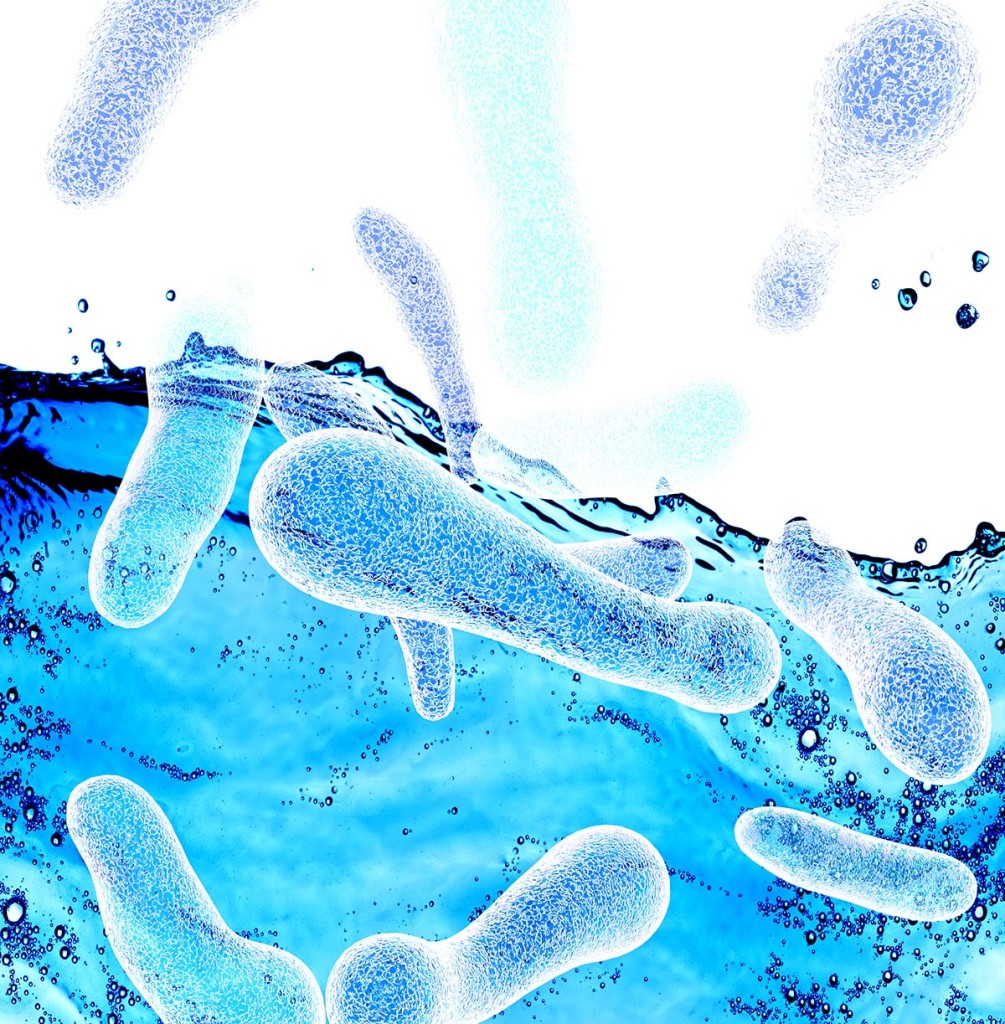
Legionella pneumophila (legionella), the bacteria responsible for Legionnaires’ disease or legionellosis, occurs naturally in the environment, generally causing little problem. It becomes a public health risk problem when allowed to grow in building water systems, where it infects and multiplies within free-living amoebae. Conditions contributing to the growth of legionellae include water temperatures between 25 and 42 oC (77-108 oF), and sediments, scale and biofilms that harbor the amoebae. Below 20 oC, (68 oF) the bacteria simply lies dormant, waiting for warmer conditions. Temperatures above 60 oC (140 oF) are required to kill the bacteria. Building water systems cannot sustain such high temperatures due to the risk of scalding, so conditions are often optimal for legionella’s growth.
Within these deposits (sediment, scales and biofilms), the bacteria colonize water cooling towers, large plumbing systems, decorative fountains, hot water tanks, and hot tubs, subsequently entering the water. Infection in humans can occur when they aspirate the water into their lungs, or, more rarely, from inhaling water mists containing the bacteria. It is a serious health threat, with over 8,000 to 10,000 reported cases a year. However, due to underreporting, the Center for Disease Control (CDC) estimates the true infection rate may be as high as 100,000 per year, perhaps causing death in as many as 8,000 in the United States alone. This is more than twice the number of deaths from food borne illnesses.
Even with new guidance, recent outbreak leaves building managers with treatment questions
The confirmed host environments for the outbreak in New York City, which afflicted over 120 people and resulted in death for 12, are several water-cooling towers. In response, New York City Council adopted Section 7.2: Cooling Towers and Evaporative Condensers, of the newly released ANSI/ASHRAE Standard 188-2015, Legionellosis: Risk Management for Building Water Systems. The new City regulation calls for the inspection and, if needed, disinfection, of water-cooling towers throughout the City.
ANSI/ASHRAE Standard 188-2015 provides guidance for the development of a risk management plan aimed at identifying risk points and developing standard operating procedures for monitoring and maintaining those risk points. The guidance does not provide details on the effective treatments for preventing Legionella bacteria responsible for the disease. Building managers must still determine the proper treatment to combat the bacteria and prevent reoccurrence.
Emergency and remedial disinfection alone cannot prevent recolonization
Many treatments for legionella, such as super heating the water and shock chlorination, cannot be maintained long term and are often only effective for a few days. Treatments such as ozone, UV, and chlorine dioxide, while addressing the new water, do nothing to address the scales and biofilms in pipes and towers. When scale and biofilms are left intact, conditions are soon right and again the legionella colonies thrive.
Effective prevention begins with removing scale and biofilms
Blue Earth Products provides a simple prevention system that removes the scale and biofilms that harbor legionella. Clearitas works by actually attacking the organic “glue” that holds the organic infused scale and biofilm together, breaking them down and flushing them out of the system. Removing these habitats from piping and equipment removes the food sources, leaving legionella no place to grow, no place to hide.
Then prevent recolonization to eliminate risk
Once the Clearitas removes these deposits, it can be used to prevent re-deposition. Dosage determines the rate of deconstruction, so applying Clearitas at a higher dose breaks down existing deposits to remediate an infected water system. Once the system is clean, a lower maintenance dose prevents scale and biofilm from reforming, preventing recolonization, and eliminating risk.
Safe, simple to use, Clearitas makes prevention easy
Clearitas is certified under NSF Standard 60, Clearitas is safe for drinking water.
Often, application may be as simple as connecting a chemical dosing pump discharging to convenient entry points. Our water system experts at Blue Earth Products can help you evaluate your needs and set up your prevention program. We can help you:
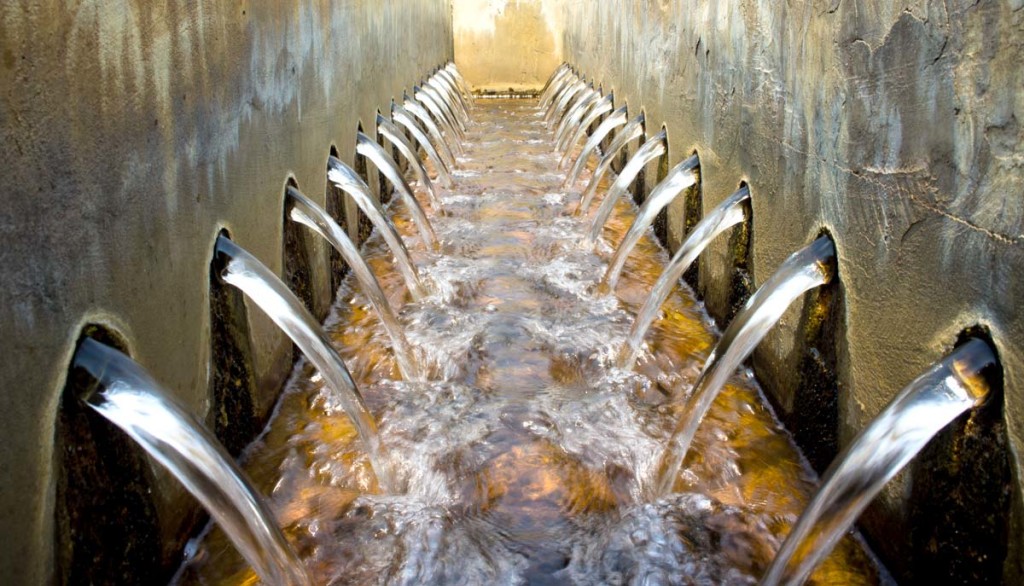
Biofilms. You will find them anywhere you find moist, warm environments. They form on rocks in creek beds, in livestock troughs, landscape water fixtures like fountains, and in pools and hot tubs. They form on walls subjected to mists. They are even that scum on your teeth in the morning.
AND, they are in your water system.
Like that scum on your teeth, you can’t always see them. Typically less than 500 microns thick, they are almost invisible to the naked eye. A micron, 1 X 10⁻⁶ meters or 0.000039 inches, is quite small. A human hair is normally 100 to 150 microns thick, so biofilms are the thickness of only three to 5 hairs. Frequently transparent, they are more easily felt than seen – just like that scum on your teeth. You know it is there, but you probably can’t see it.
Teeming with life, these biofilms harbor bacteria and one celled organisms that thrive in the glue-like gel. These one celled organisms, amoebae and protozoa, are host to another organism – Legionella. That’s right, these biofilms are the habitat and provide food for Legionella, the bacteria that cause Legionnaires’ disease.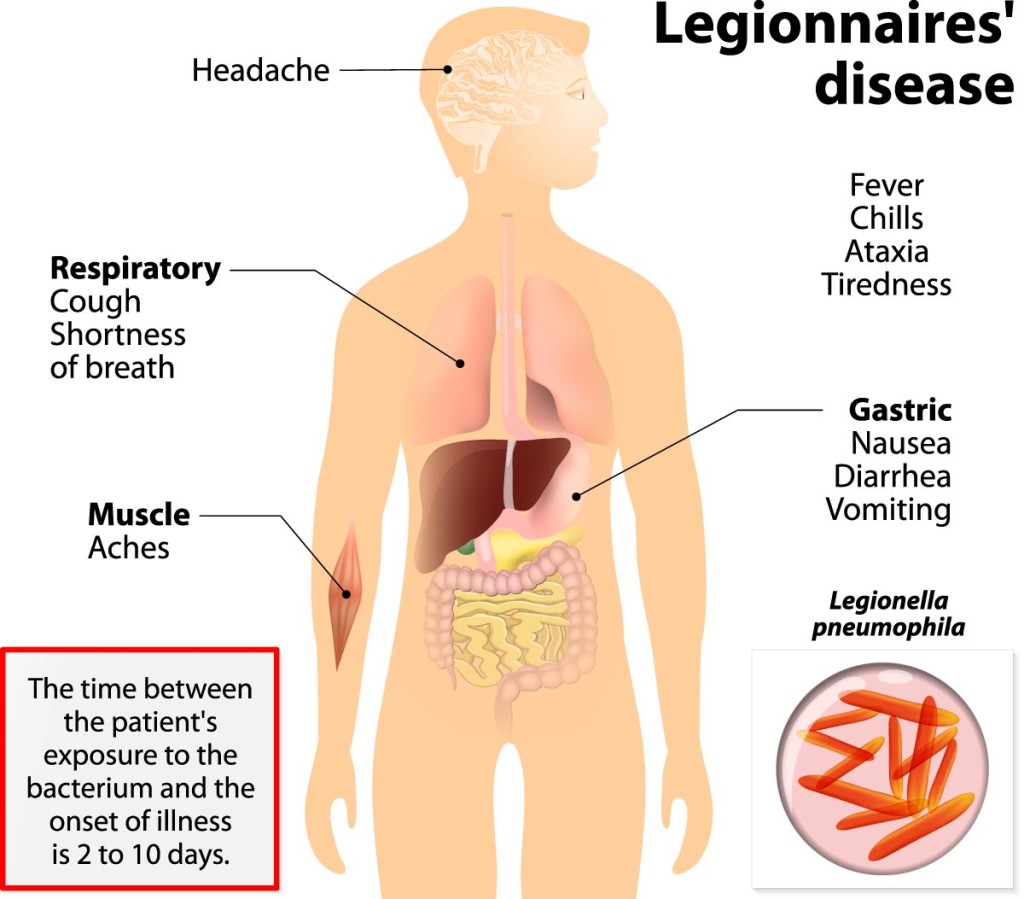
Legionella can be found throughout our environment, in the soil and water. It can actually be found in the source water of most municipal water systems. The treatment process kills most pathogens, but not necessarily all. Resistant to chlorine disinfection, Legionella is one of the most difficult to treat directly, so it is not uncommon to find Legionella in potable water, though at extremely low concentrations. At such low levels, Legionella is generally not a health risk. It is only when it finds a suitable habitat and reproduces, that it becomes a risk to human health.
Growing biofilms lead to a condition the American Society of Heating, Refrigerating and Air-Conditioning Engineers (ASHRAE) calls amplification, the conditions of warm water and adequate biofilms teeming with host microorganisms, which allow Legionella to thrive. From these biofilms, Legionella are then released into the water systems. There, they can be inhaled via mists or fine droplets, into the lungs where they develop into Legionnaires’ disease.
All water lines and water systems can grow biofilms. There are always low spots, dead ends, and fittings that collect the deposits that trap the organisms that create biofilms. Once they form, they are hard to remove. Flushing alone cannot touch them, as the biofilms form a gel-like substance that glues them in place. Even shock chlorination and extremely hot water temperatures, two common treatments for cleaning water systems, often remove only the outer layer, leaving the biofilms largely intact to grow again. Within days to a few weeks, these biofilms are once again sheltering and nourishing the organisms that are the hosts to many bacteria, including Legionella.
Traditional cleaning and disinfection also require you to remove your system for service. You can’t safely allow your customers in contact with water while it is being shock chlorinated or raised to temperatures in excess of 150F.
Biofilms can grow throughout the system, in places that are difficult to inspect. But even if you could inspect every inch, visual inspection just isn’t adequate. Remember these are very thin, often transparent layers of biofilm, extremely difficult to see.
Take the case of the recent Legionnaires’ disease outbreak in the Bronx, in New York City (NYC). The initial cluster killed 12 people and sickened 120 others. Authorities traced the initial outbreak, which began in July 2015, to a hotel cooling tower.
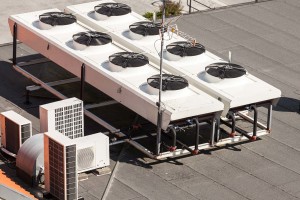 The severity of the outbreak resulted in NYC passing regulations requiring all building owners to inspect their cooling towers quarterly and certify that their systems had been inspected, tested, cleaned and disinfected. The regulation required all cooling towers in the City to be cleaned within two weeks.
But at the end of September 2015, another outbreak was reported. In another part of the Bronx, six miles from the initial outbreak, 12 persons were diagnosed with Legionnaires’ disease and one ultimately died. Thirty-five cooling towers in the area were sampled and 15 were found to harbor Legionella. Almost half! What is most alarming is that the New York Times reported that ALL these contaminated cooling towers had been cleaned and disinfected less than two months prior to this outbreak. The cleaning had left the deposits and biofilms in place, and the bacteria had simply regrown.
Traditional cleaning and disinfection isn’t effective because it doesn’t remove the biofilms. So what can you do to protect your customers AND your business?
Blue Earth Products® has developed a potent weapon in the fight against Legionella – Clearitas®. Clearitas breaks down the biofilms within your water system, allowing you to flush them out of your system. Once removed, a lower dose can be continuously applied to prevent regrowth. Legionella has nowhere to hide, nowhere to feed, nowhere to grow – nowhere to launch attacks on your customers or your business.
You can’t afford to wait for an outbreak to see if your system might be at risk.
Legionella pneumophila is one of the most dangerous waterborne pathogens present in modern water supplies. To ensure the health of consumers, effective removal of Legionella from all water supplies and distribution systems is essential. Fortunately, Clearitas treatment program can protect against the growth of these dangerous bacteria within processing and bottling facilities, cooling towers, water treatment facilities and various other locations that treat or handle water intended for human use and/or consumption.
Legionella pneumophila is a gram-negative bacterium commonly found in warm water. It causes a serious infection known as Legionellosis, or Legionnaire’s disease. People contract this disease when they breathe in droplets of water that contain the bacteria. Common sources of exposure include hot tubs, air conditioning systems, cooling towers and hot water tanks. Legionellosis causes several uncomfortable symptoms, including cough, chest pain, fever, muscle aches and shortness of breath. Hospitalization is often required for this illness. In the worst cases, Legionellosis can be fatal.
Standard water treatment protocols can effectively eliminate Legionella from water supplies. However, if even a few bacteria make it through treatment, these bacteria can proliferate inside of water storage and distribution equipment. Likewise, during storage or distribution, water can become contaminated with the bacteria if it is present on the equipment’s surfaces in the form of biofilms. When Legionella is present in water that is used or consumed by humans, it can pose a risk to public health.
Clearitas is an effective deposit control product that works to remove organic deposits and when working in conjunction with traditional disinfectants they can remove both organic and organic deposits commonly found in water distribution systems. By cleaning water-pipe surfaces, this product enhances the overall effectiveness of traditional disinfectants and sanitizers in order to ensure that all bacteria, including Legionella, are eliminated before water is consumed. In addition to helping rid water distribution systems of harmful bacteria, Clearitas also removes other deposits and improves the overall quality of water.
Clearitas is a liquid product manufactured in our facilities by an advanced electro-catalytic chlor-alkali process in order to remove deposits from water distribution equipment. This product works to remove deposits that interfere with disinfection. Clearitas can be used without taking the system offline, so no productivity will be lost. Clearitas destroys the organic compounds that hold deposits and biofilms together. According to studies conducted by Blue Earth Products, Clearitas is much more effective at eliminating organic-laden deposits than other water additives. In fact, Clearitas is so effective that only 0.001 ppm to 1 ppm of active ingredient are needed to see significant benefits depending on the type of water system. Facilities can reverse the total scale formation over time with considerably low doses of this formula.
In addition to being a powerful tool in the war of protecting a facility from the dangers of Legionella, Clearitas also provides a number of other benefits. Benefits of Clearitas include:
To learn more about Clearitas or find out how to purchase this product for use in your water system, contact Blue Earth Products.
Check out this video testimonial by Sherry Ogden, the Town Utilities Manager for Patriot, Indiana.
Justin Harris, from Saegesser Engineering, interviews Sherry about the town’s use of Clearitas (formerly Re-Ox) for reducing buildup of manganese in their water distribution lines. Sherry Ogden has been using Clearitas for the past four years to reduce dirty water complaints and to clean the distribution lines that deliver drinking water to the town’s residents.
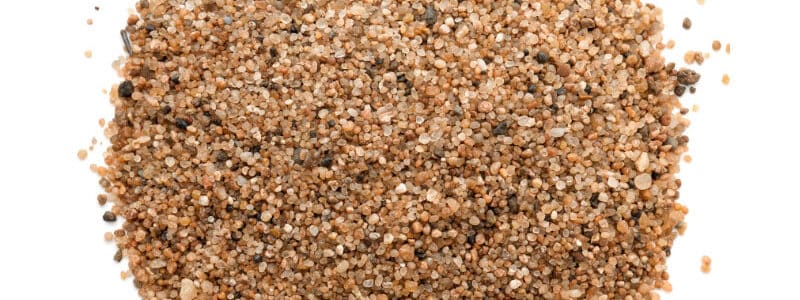
Learn more about your filter media health from our in-house lab analysis. Contact us for sampling and report information.
Request a Filter Media Analysis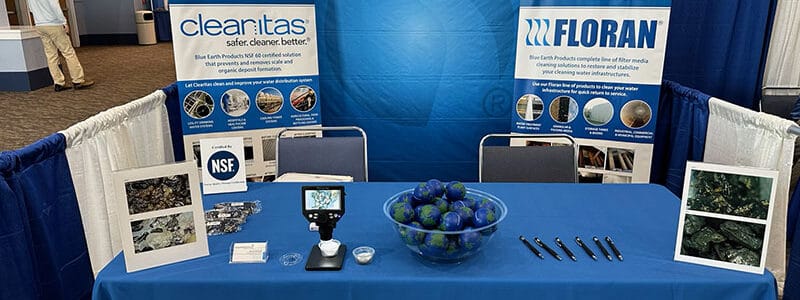
Join us at the WEFTEC Annual Conference in New Orleans, LA, September 26 - 30. Find us at booth 9817 to discuss how we can help improve your system and save you money.
Connect With Us