Water is necessary to sustain life. Thanks to modern infrastructure, people are able to access water from inside homes, hospitals, schools, retail establishments and virtually any other building. However, when water isn’t treated effectively, or when the equipment that comes into contact with it isn’t properly cleaned, the water delivered may contain dangerous pathogens capable of causing illness in humans. Several types of waterborne pathogens can proliferate in water supplies, including Legionella pneumophila, Pseudomonas aeruginosa, Mycobacterium avium, Acenotobacter baumannii, Strenotrophomonas maltophilia, Aspergillus and Cladosporium.

Legionella Pneumophila

Legionella pneumophila is a type of bacteria that causes a serious infection known as legionellosis, or Legionnaires’ disease. According to the National Institutes of Health, this disease is contracted when a susceptible person inhales mist that contains the bacteria. Common sources of infection include showers, hot tubs and air conditioning units. Symptoms of legionellosis include high fever, shortness of breath, muscle aches and cough. Legionellosis often requires hospitalization and my result in death.

Pseudomonas Aeruginosa

Pseudomonas aeruginosa is a bacterium commonly found in the environment. It often causes blood, lung or skin infections in people who have weakened immune systems. However, when it is present in water, it can infect healthy people as well. In such cases, ear infections and skin rashes are the most common manifestation of infection with Pseudomonas aeruginosa.

Mycobacterium Avium

According to the Journal of the American Medical Association, waterborne Mycobacterium avium can cause infection when ingested or inhaled, particularly among people who have AIDS. Symptoms of this serious illness include coughing, diarrhea, fever, anorexia, weight loss and more. Because of the bacteria’s resistance to traditional antibiotics, treatment for this type of infection is often complicated.

Acinetobacter Baumannii

Acinetobacter baumannii is another type of bacteria found commonly in both soil and water. According to the Centers for Disease Control, these bacteria most frequently causes infections in healthcare settings. Infections outside of healthcare settings may occur, but they are rare. Treatment of Acinetobacter Baumanni can be difficult, as these bacteria has become resistant to multiple drugs.

Strenotrophomonas Maltophilia

 Strenotrophomonas maltophilia can infect the bloodstream, urinary tract and respiratory tract. Although infections involving this bacterium are rare, they may occur in people with compromised immune systems. Strenotrophomonas maltophilia is found in both soil and water, so it poses a risk to water delivery systems, especially in healthcare settings.

Aspergillus

Aspergillus is a fungus that causes an infection known as aspergillosis. This infection is most common among people who have weakened immune systems or preexisting conditions that affect their lungs. Aspergillosis causes symptoms similar to pneumonia, such as fever, cough, chest pain and shortness of breath.

Cladosporium

Cladosporium is a rare cause of infection in humans. However, in some cases, it has caused infections of the brain, sinuses, eyes and skin. Cladosporium is often found in moist air, but may also be present in improperly treated water supplies.

Managing Waterborne Pathogens

Because all of the pathogens listed above are capable of proliferating in water supplies, all water supplies must be treated in order to remove them. In addition to treating the water itself, managers of water supplies must also keep their equipment clean and free of biofilms, which are groupings of microorganisms that have adhered to one another and/or a surface. Furthermore, according to the World Health Organization, the minimum standards used to treat and distribute drinking water to the general public are not strict enough for the treatment and management of water utilized in healthcare settings. Patients exposed to water in healthcare settings often have compromised immune systems, which means that they may contract illnesses from pathogens that are unlikely to infect healthier people. Thus, hospitals, clinics and other facilities that care for patients should work even harder to ensure that all pathogens are eliminated from their water supplies. Sources: Photo credit: USFWS Mountain Prairie / Foter / CC BY Photo credit: AJC1 / Foter / CC BY-SA http://www.nlm.nih.gov/medlineplus/legionnairesdisease.html http://www.cdc.gov/hai/organisms/pseudomonas.html#a6 http://www.infectioncontroltoday.com/articles/2014/09/managing-the-risk-of-waterborne-hais.aspx http://jama.jamanetwork.com/article.aspx?articleid=376359 www.cdc.gov/HAI/organisms/acinetobacter.html http://www.cdc.gov/fungal/diseases/aspergillosis/symptoms.html

If you are involved in the treatment or distribution of water, biofilms are a key concern. When present in treatment, storage or distribution equipment, biofilms pose a serious threat to the quality and safety of processed water.

What is a Biofilm?

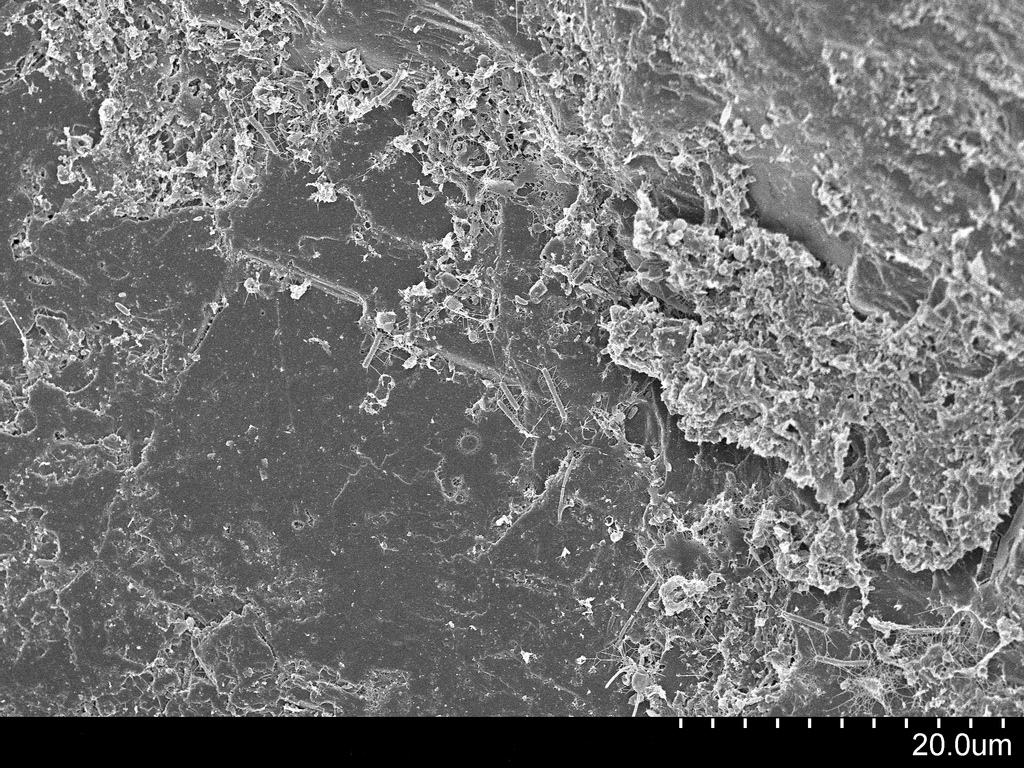
According to the Marshall Protocol Knowledge Base, a biofilm is a densely-packed community of microorganisms that have adhered to one another using a network of self-made polymers. These communities are architecturally complex and contain channels that take in nutrients and excrete waste. Biofilms can live on both organic and inorganic surfaces. They are found in a variety of locations ranging from the inside of the human body to the surface of a water storage tank.

Why Do They Form?

Biofilms typically form when bacteria are under stress. Much like other organisms, the bacteria react to the stress by banding together. Once they have formed the biofilm, the bacteria are more resistant to the threats that seek to destroy them, such as disinfectants and immune cells.

How Do They Form?

When bacteria are exposed to a stressful environment, they begin to form a biofilm. The first inhabitants of the film begin by creating weak bonds with the surface, which are known as van der Waals forces. Over time, these bacteria form stronger bonds with the surface using a process known as cell adhesion. While a biofilm is under construction, bacteria are capable of communicating with each other through a process called quorum sensing. This phenomenon allows a bacterium to sense how many other bacteria are nearby. Nearby bacteria engaged in the process emit chemicals to make other bacteria aware of their presence. If a large quantity is sensed by a bacterium, that bacterium is more likely to become part of a forming biofilm. This phenomenon can be used for communication within a single species of bacteria, as well as across multiple species.

Biofilms and Water Distribution Systems

Biofilms can form in virtually any type of location. However, they cause a particularly serious problem when they grow inside the equipment used to process and store water intended for human consumption and use. Biofilms can develop on surfaces throughout the water distribution system, including the interior of the filtration system, pipes and storage tanks. When treated water passes through the system, microorganisms living in the biofilms can contaminate the water. If humans come in contact with the contaminated water, either through drinking or inhalation, they can contract infections. Common bacteria that may live in biofilms that form within water distribution systems include:
  • Strenotrophomonas maltophilia
  • Acinetobacter baumannii
  • Mycobacterium avium
  • Pseudomonas aeruginosa
  • Legionella pneumophila

These bacteria can cause a variety of problems in humans, ranging from mild skin rashes to serious lung infections that require hospitalization. In some cases, the infections caused by the microorganisms above can even lead to the death of the infected person.

Can Biofilms be Removed?

Bacteria form biofilms in order to protect themselves from destruction. Thus, removing biofilms from the surfaces to which they have attached themselves can be difficult. However, removal is possible. Furthermore, in the case of water distribution systems, removal is essential in order to protect the health of those who come into contact with the water processed by the system. Biofilms are typically removed from the interior surfaces of water distribution systems during the cleaning process. Several different methods of cleaning exist. However, not all of these methods are equally as effective at removing biofilms. For example, while mechanical methods of cleaning tend to be less expensive than chemical cleaning, they may not be capable of removing biofilms in their entirety. This can lead to continued contamination concerns, as well as the regrowth of the biofilm. Chemical cleaning, on the other hand, is more expensive but can thoroughly remove biofilms. Thus, it is typically the wiser choice for facilities that are concerned about the presence of biofilms.
Sources:
Photo credit: adonofrio (Biology101.org) / Foter / CC BY
Photo credit: Inverness Trucker / Foter / CC BY-SA
http://www.ncbi.nlm.nih.gov/pmc/articles/PMC2890205/
http://mpkb.org/home/pathogenesis/microbiota/biofilm
http://bacteriality.com/2008/05/26/biofilm/

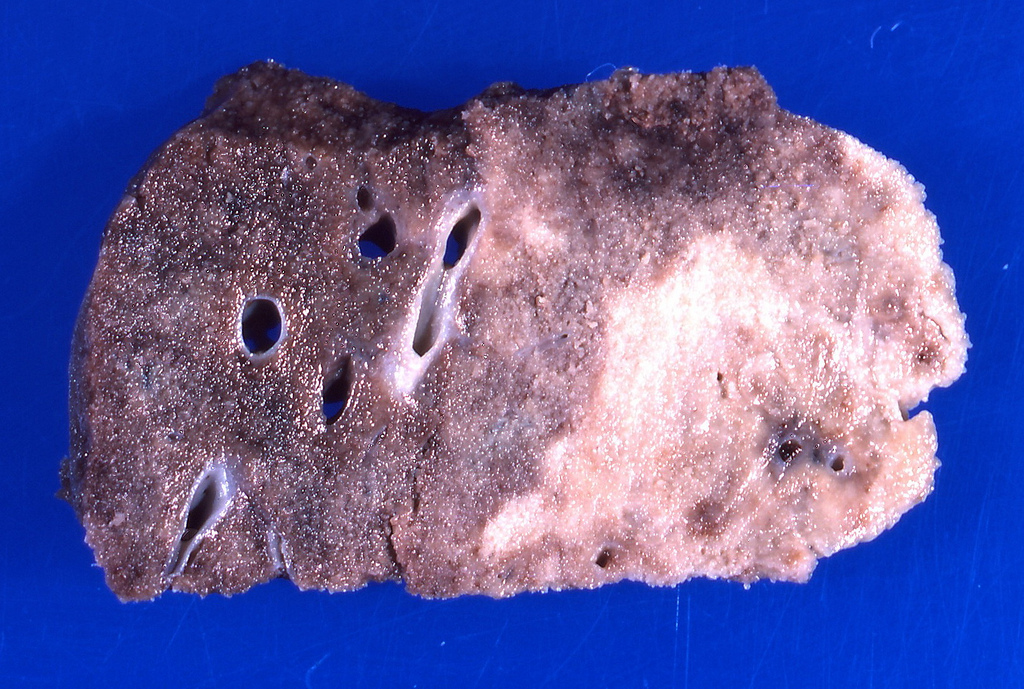
Legionellosis (or Legionnaire’s Disease), a type of pneumonia caused by the bacteria legionella, is one of the most dangerous waterborne diseases in the United States. The disease can be very serious, especially for immune-compromised people such as children, pregnant women, and people undergoing chemotherapy. In the worst cases, legionellosis can even lead to death with estimates running as high as 30% mortality. Legionella kills more people per year than all food borne illnesses combined. Because legionella is often found naturally in untreated water, effective disinfection and prevention methods are essential for all facilities that host any of the high-risk group.

About Legionella

Legionella is a common gram-negative bacteria found in soil and water. These bacteria thrive at temperatures ranging from 77 degrees Fahrenheit to 130 degrees Fahrenheit. Thus, they can often proliferate in hot tubs, hot water tanks, cooling towers and plumbing systems. People exposed to legionella do not contract legionellosis from drinking infected water. Instead, the disease spreads when people inhale droplets of water containing the bacteria. This often occurs in the shower or when someone breathes in vapors from humidifiers or cooling system heat exchangers. According to the CDC, up to 18,000 people are hospitalized every year with diseases related to legionella.

Legionella in Water Distribution Systems 

Legionella is naturally occurring in all water, but it is not always actively managed by water utilities. Standard water treatment procedures can disinfect the water from legionella before it enters distribution systems, but EPA standards allow HPC bacteria counts up to 500 colony forming units in public water supplies and still regard the water to be safe However, if even a few bacteria survive treatment, they can grow once they have passed into a distribution system and adhered themselves to the biofilm and scale commonly found in pipes, especially in commercial and residential buildings where low flow and warm temperatures create an ideal growth environment. The temperatures found in specific parts of the distribution system, including shower heads and hot water tanks, are ideal for proliferation.

Other Waterborne Pathogens

Legionella is not the only waterborne pathogen that poses a risk to public health. Other pathogens that may be present in water distribution systems include:

  • Mycobacterium avium
  • Acenotobacter baumannii
  • Strenotrophomonas maltophilia
  • Pseudomonas aruginosa

These microbes establish themselves in biofilm or scale that is held together by organic material waiting to bloom or erupt in water distribution and plumbing systems. They have been known to cause disease outbreaks or death among susceptible individuals who are exposed.

Treating Water to Eliminate Pathogens

The treatment of water in order to eliminate waterborne pathogens, including legionella, is wrought with challenges. For example, when legionella and other pathogens are suspended in water, they can be eliminated easily through the use of disinfectants. However, in addition to their presence in free-flowing water, both pathogenic and non-pathogenic bacteria form biofilms on the interior walls of tanks, pipes and other water distribution equipment. Common disinfectants have had only limited success in eliminating biofilms when used on their own. Some of the disinfectants used include:

  • Chlorine – Even though chlorine is a very powerful disinfectant, it may not totally eliminate biofilms even when utilized in high concentrations.
  • Shock thermal treatment – When shock thermal treatment is used at temperatures above 70 degrees Celsius for several hours, temporary success is achieved.
  • Copper/silver – When properly managed, copper and silver have been moderately effective at removing pathogens.
  • Ozone/UV – These strategies are somewhat effective in recirculating systems only and cannot address established biofilms where the bacteria are already harbored.
  • Chlorine dioxide – Chlorine dioxide is somewhat effective, but not in hot water systems or far plumbing reaches. New research indicates that low-doses of chlorine dioxide actually promote biofilm growth.
  • Chloramine – Although less powerful than chlorine, chloramine has been successful at reducing legionella counts in plumbing systems. Chloramine has also been known to be a health risk.

In short, no one method has been completely effective when used on its own. However, facilities can increase the effectiveness of pathogen elimination by using a combination of techniques. Unless a facility addresses the deposits in pipes and low flow in “dead legs” present in all facility distribution systems, water-borne bacteria such as legionella are thriving and simply wait for a disruption of the biofilm or scale to break loose and spread.

Other Issues

Current federal regulations make it difficult for facilities to implement treatment protocols designed to manage pathogens in drinking water. For example, under EPA regulations, a facility with more than 25 users becomes a public water supply if it adds any treatment to the water it receives. Thus, if a facility implements a protocol in order to remove legionella and other pathogens from its water supply, it would become subject to the same reporting requirements, monitoring regulations and other obligations imposed on all other public water supplies. Not only can this be inconvenient and time consuming, but it can also raise the facility’s expenses considerably.

Implications for Facilities

Removing waterborne pathogens, such as legionella, from water supplies can be difficult. No one method, both chemical or non-chemical, has been completely effective on its own, and adding treatment to a commercial facility’s water may force the facility to adhere to a number of other EPA regulations with regard to reporting, monitoring and management. Nonetheless, in spite of these challenges, the dangers of waterborne pathogens are significant. Therefore, the only way for effective waterborne pathogen control and prevention is to remove the environment, the biofilm and scale in pipes, where these microbes thrive.

<div “=””>


Sources:
Photo credit: Pulmonary Pathology / Foter / CC BY-SA
Photo credit: Holmes Palacios Jr. / Foter / CC BY
http://www.watertechonline.com/articles/167968-professor-poupoe-may-2014
http://www.cdc.gov/legionella/about/index.html

At Blue Earth Products we know how dangerous legionella is on individual and organizational levels.  In recent years incidences of reported Legionaires’ disease have tripled, estimating $321 million spent on medical costs per year.  Let us share some facts with you that may put things into perspective.

Legionanaires’ disease is a type of pneumonia that is often present in municipal water supplies, often in places such as hospitals and hotels.  Legionellae are proven to be more tolerant of normal chlorine levels than other bacteria.  Most find it interesting that direct contact with the bacteria doesn’t put a person at risk of infection. Rather, as soon as the bacteria becomes aerosolized into fine droplets, mist or spray, then one becomes more prone to becoming infected.  Indivuduals who smoke, are elderly, have cancer, or those with a lung or kidney disease are more vulnerable to obtaining the disease.

Particular conditions allow legionella to rapidly amplify to levels sufficient to constitute a health risk.  Water between 68 F to 126 F or the presence of sediment or other foreign material in water promote the development of biofilm, a primary food for the bacteria, thus enhancing the risk of colonization.  The bacteria could then be aerosolized and distributed through faucets, showerheads, fountains, swimming pools, humidifiers, and medical respiratory devices.  When this occurs, owners and managers of the premises are frequently targets of legal action by those alleging to have contracted the disease.  Other people often involved in legal disputes include the persons responsible for the development, design, engineering, construction, manufacturing, installation, maintenance, and repair of the building system.

“The legal exposure associated with Legionnaires’ disease can be substantial. The CDC has reported death rates between 20 and 40 percent of compromised individuals. A single outbreak can affect dozens or even hundreds of people. Many of those infected who do survive still spend weeks, if not months, in the hospital and are often left with severe permanent impairment and six-figure medical bills. In addition to the contraction of pneumonia, claimants often allege a wide variety of injuries and ailments, including coma, stroke, sepsis, hypotension, lactic acidosis, acute renal failure, heart failure, brain damage, and neurological dysfunction such as tremors or paralysis, dysphagia, and dysphonia. The serious personal injury or death caused by this disease makes proof of extensive compensatory damages simple. Reported settlements and jury awards range from $255,000 to $5.2 million. Reports of settlements are rare as most agreements include stipulations that payout amounts remain confidential.”

A Clearitas program is Blue Earth Products solution to prevent devastating legionella outbreaks from occurring.  Clearitas® is specifically designed to remove the films and deposits and scale that adhere to pipe walls and other wetted surfaces.

DOWNLOAD HOSPITAL LEGIONELLA REMEDIATION USING CLEARITAS

Did you know that a EPA survey shows that $384 billion is needed to improve drinking water infrastructure by 2030? Whew! That’s a big number.
What the EPA is not telling you is that there are powerful, deposit control solutions like Clearitas that prevent and remove the naturally occurring films and scales that cause the majority of water quality concerns and infrastructure issues. They aren’t telling you that you can rehabilitate your drinking water infrastructure for a fraction of the cost. Let us know if you’d like to hear more.
A pending “best practice” standard (destined to be part of building codes everywhere, once adopted) , ASHRAE 188, lays a foundation process for nearly all commercial facilities to manage the legionella potential in their building water systems.  Legionella, is a leading cause of pneumonia-like illness that the Centers for Disease Control reports as affecting 18,000 people in the US per year, but is now reassessing and could be as many as 100,000 people.  Of these within the sensitive population, 20% – 50% will die from this water borne only malady.  That is more than all the 10,228 people that died in alcohol related car wrecks or 11,000 gun related homicides.  Yes, it is that serious.  Yes, ASHRAE 188 is this important.   However, why do we need a standard to test for, detect, and remediate facilities that have the issue?  It’s simple: because if we do not, people will die as a result.

DOWNLOAD IMPROVED CHLORINE RESIDUALS AFTER TANK CLEANING

Inside Edition conducted an investigative report on, “What is in the Gunk in Your Home?” They worked with Dr. Joseph Falkinham, a professor of Biological Sciences at Virginia Tech University, to see what kind of gunk he could find in two beautiful homes in Blacksburg, Virginia.
The results were downright disturbing. He discovered a myriad of bacteria colonies growing in fixtures at both homes. For the rest of the story, click on the image below. Gunk in homes.
Did you know that this gunk could be the consequence of insufficient disinfectant residual in the water system? According to Department of Civil Engineering professors at Virginia Tech, Marc Edwards, Becki Marshall, Yan Zhang and Yoon-Jin Lee, “If chloramine residual is lost in areas of the water distribution system in buildings, growth of nitrifying bacteria can create organic carbon that may spur re-growth of heterotrophic bacteria. If enough organic carbon is produced, and further considering the obvious availability of nitrogen, undesirable levels of bacteria can grow in the water held in pipes during periods without flow.”
[download id=”15636″]

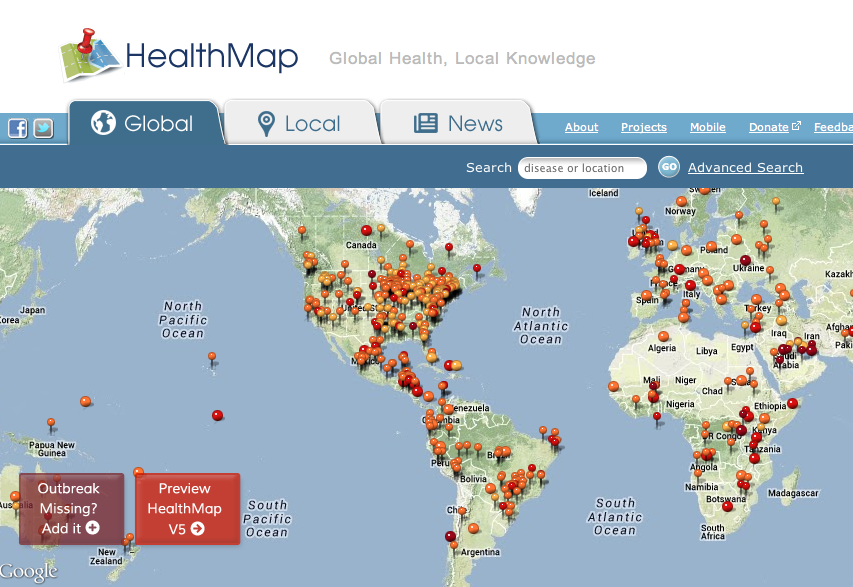
Ever wondered if legionella has had an outbreak near you? Or where outbreaks are most prevalent?  Healthmap, a team of researchers, epidemiologists and software developers at Boston Children’s Hospital founded in 2006, is an established global leader in utilizing online informal sources for disease outbreak monitoring and real-time surveillance of emerging public health threats. Legionella is now being tracked and is available to your viewing.  Click here and search for Legionaires disease to see exactly where legionella outbreaks have occurred.


DOWNLOAD HOSPITAL LEGIONELLA REMEDIATION USING CLEARITAS

Tanks are a major contributor to disinfection demand due to low turnover and long storage time. Dissolved solids accumulate and drop out of solution, and biofilms form from the organic matter that was not removed from the raw water. These accumulated sediments and biofilms also contribute to the formation of disinfection by-products regulated under the EPA Stage 2 rules. If left unchecked, these deposits can cause under-deposit corrosion, concrete spalling and other costly infrastructure issues. Therefore, proper tank cleanings should be performed on a yearly basis. There are several tank cleaning services available, here is an overview of the most common options.

  • Pressure washing is the predominant method used by many utilities to clean and inspect tanks. Pressure washing can be effective in cleaning surface contaminates and biofilms, but cannot remove scale or the attachment points for new biofilms.  The cost to pressure wash is comparable to the cost of chemically cleaning tanks; however, pressure washing delivers significantly lower quality results. Biofilm and scale growth will reappear and chlorine demand will increase shortly after cleaning.
  • Diving is a popular inspection technique that allows a utility to inspect without removing the tank from service. Services that specialize in this inspection method require significant training and certification, in addition to specialized gear. Inspection costs range from $2,500 and $5,000 depending on tank size. Cleaning is additional based on the amount of silt in the tank. Divers attempt to scrub away biofilms on tank walls, but usually cannot remove scale or calcium buildups.
  • Remote operated vehicles (ROVs) are similar to divers and produce the same low quality results. Costs can range from $22,000 to $26,000 per tank.
  • Sandblasting and resurfacing a tank is a last alternative in cases where corrosion forces a tank to be repaired. This process costs approximately $250 to $290 per square foot and requires high level certified tank contractors. This process is time consuming and labor intensive.
  • Chemical cleaning is a cost-effective option that produces long lasting results and full removal of biolfim, scale and attachment points for new biofilm growth. Utilizing a simple spray-on/rinse-off process, chemical cleaning is just as easy as pressure washing, but provides superior results. Cleaning can typically be completed in a day’s work and the chemicals are safe for most all tank surfaces. Depending on size and location of the tanks, cleaning can be completed for $5,000 to $20,000. Lower surface-borne chlorine demand, better tank inspections and delayed re-formation of deposits are all benefits to chemical cleaning.

    This image shows a water storage tank after pressure washing. Notice the stains and water lines are still visible.

    This is the same tank after being chemically cleaned. All surface deposits and stains are removed.