The truth is, Legionella is part of your water system. Getting in front of the problem and understanding how it starts, where it comes from, and how it lives within building systems is to defend yourself against the liabilities and illnesses it causes.

About Legionella
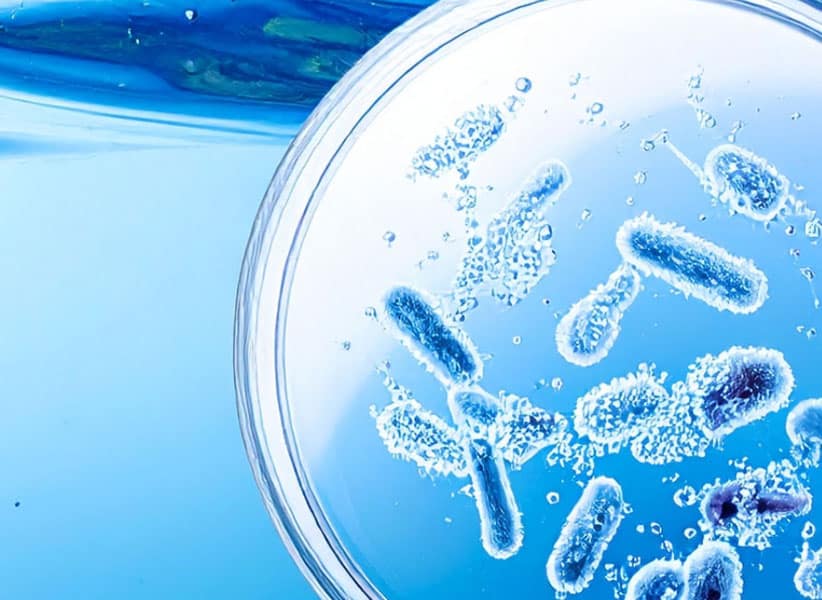
Legionella is a waterborne pathogen causing Legionellosis, or Legionnaire’s Disease. The disease can be very serious, especially for immune-compromised people, causing severe illness or even death. Legionella is naturally occurring in all water making effective disinfection and prevention methods essential for all facilities. Standard water treatment procedures disinfect the water before it enters public distribution systems, but EPA regulations allow HPC bacteria counts to 500 colony forming units in public water supplies. These few remaining bacteria can grow within a distribution system by adhering to biofilms and scales commonly found in pipes. Legionella proliferates in hot tubs, hot water tanks, cooling towers, and plumbing systems where low flow and warm temperatures create ideal growth environments.
Legionella Treatment and Remediation
The treatment of water to eliminate bacteria and waterborne pathogens, including Legionella, is wrought with challenges. For example, when bacteria and waterborne pathogens are suspended in free-flowing water, they can easily be eliminated with common disinfectants. However, bacteria grow within biofilms on interior walls of tanks, pipes, and other water distribution equipment. Common disinfectants cannot eliminate these biofilms and deposits on their own. Common disinfectants and treatment methods used to address bacteria and pathogens include:
- Chlorine – A powerful disinfectant, but it is not guaranteed to fully eliminate biofilms, even when used in high concentrations. Chlorine can often burn off the upper layers of biofilms, but it does not effectively break through to the internal biofilm layers, leaving biofilm and bacteria present in the system.
- Shock Thermal Treatment – When shock thermal treatment is used at temperatures above 70°C for several hours, success is achieved but only for a temporary period.
- Copper or Silver – Copper and silver are moderately effective at removing pathogens, but they need precise and proper management when applied.
- Ozone or UV – Ozone and ultraviolet systems are effective for recirculating systems only. They also cannot address established biofilms where the bacteria are already being harbored in the system.
- Chlorine Dioxide – Chlorine dioxide is limited in hot water systems and far plumbing reaches. Its effectiveness wanes with higher temperatures and further distances. Research has also shown that low doses of chlorine dioxide can promote biofilm growth, leading to potentially more issues if not properly administered.
- Chloramine – While chloramine is less powerful than chlorine, it has been successful at reducing Legionella counts in plumbing systems but faces the same limitations as chlorine. Chloramine is also known to be a health risk.
The only effective waterborne pathogen control and prevention is using a combination of treatment techniques to remove the environment, the biofilm and scale in pipes, where microbes thrive.
Blue Earth Products’ Clearitas® works in conjunction with a primary disinfectant to effectively end the damaging and unhealthy effects of biofilms, deposits, and residues within water systems. Clearitas penetrates the protective layers of biofilms and deposits to break down the mechanisms adhering them to water distribution surfaces. This dislodges the deposits providing primary disinfectants greater access to the bacteria and microbes they are designed to kill. Clearitas is easy to incorporate with existing treatment systems to improve the disinfectants’ effectiveness and ability to deliver water that is Safer. Cleaner. Better.®
Legionella Control and Prevention
Effective control and prevention of Legionella and other bacteria or pathogens begins with the removal of biofilms and scale. When biofilm and scales are present, they create environments that allow bacteria and pathogens to grow and thrive. Clearitas attacks the organic “glue” that holds biofilms and scale together, breaking them down and flushing them out of the system. By removing these habitats from piping and equipment, Legionella has no place to hide and no place to grow.
Once Clearitas removes the biofilms and scale, it can be used to prevent recolonization. Dosage determines the rate of deconstruction, so a higher dose is used to break down existing deposits to remediate an infected water system. Once the system is clean, a lower maintenance dose will continue to prevent scale and biofilm from reforming, preventing recolonization and ending the risk of Legionella recurrence.
Clearitas is NSF 60 certified and safe to use in all water systems, including drinking water systems. Often, Clearitas application is as simple as connecting a dosing pump to a convenient entry point on the water supply line. Our water systems experts at Blue Earth Products can help evaluate your needs and set up a prevention program.